
TRAVEL GUIDE
Why Italy, where to go, when to visit and what not to miss.
There may be affiliate links within this post which provide me with a commission, at no cost to you. This is a way to help me to provide valuable content. More information at: Privacy & Disclosure.
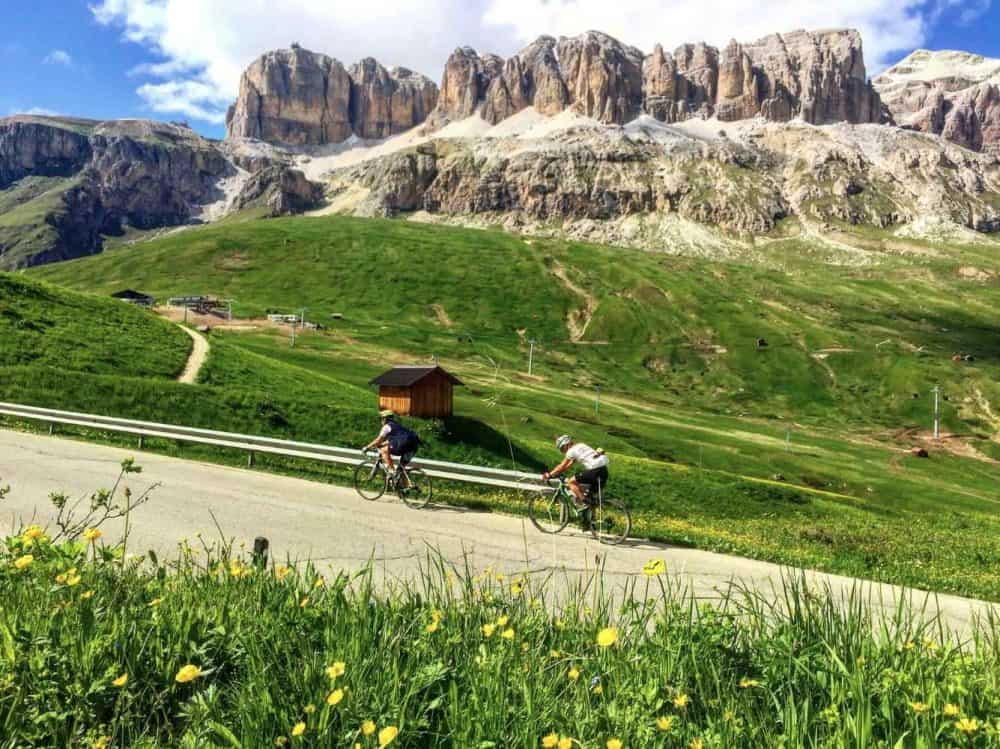
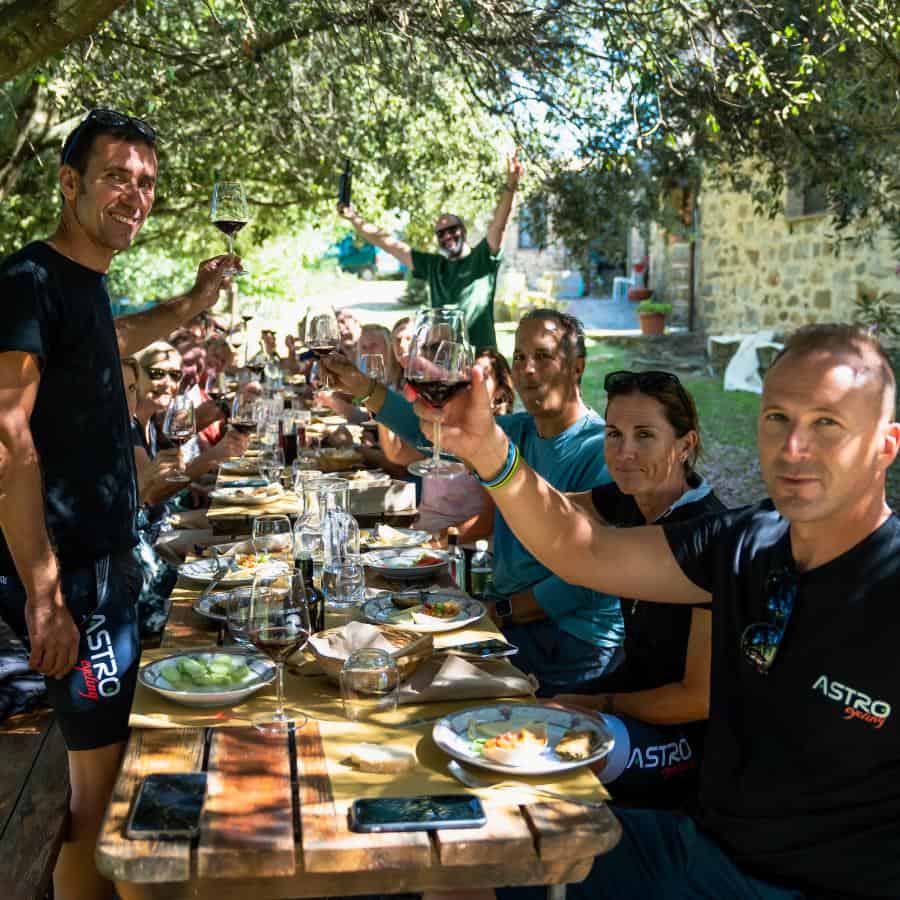
Cycling in Italy offers slow-paced exploration so travelers can truly savor the experience — peddling through Italy’s stunning countryside, get a close-up experience of the country’s culture and history, and enjoy leisurely lunches at vineyards.
I’ve cycled in various places in Europe and each time I am reminded how seeing a place by bike is a truly wonderful way to explore. I can’t think of a more perfect place for a cycling trip than Italy.
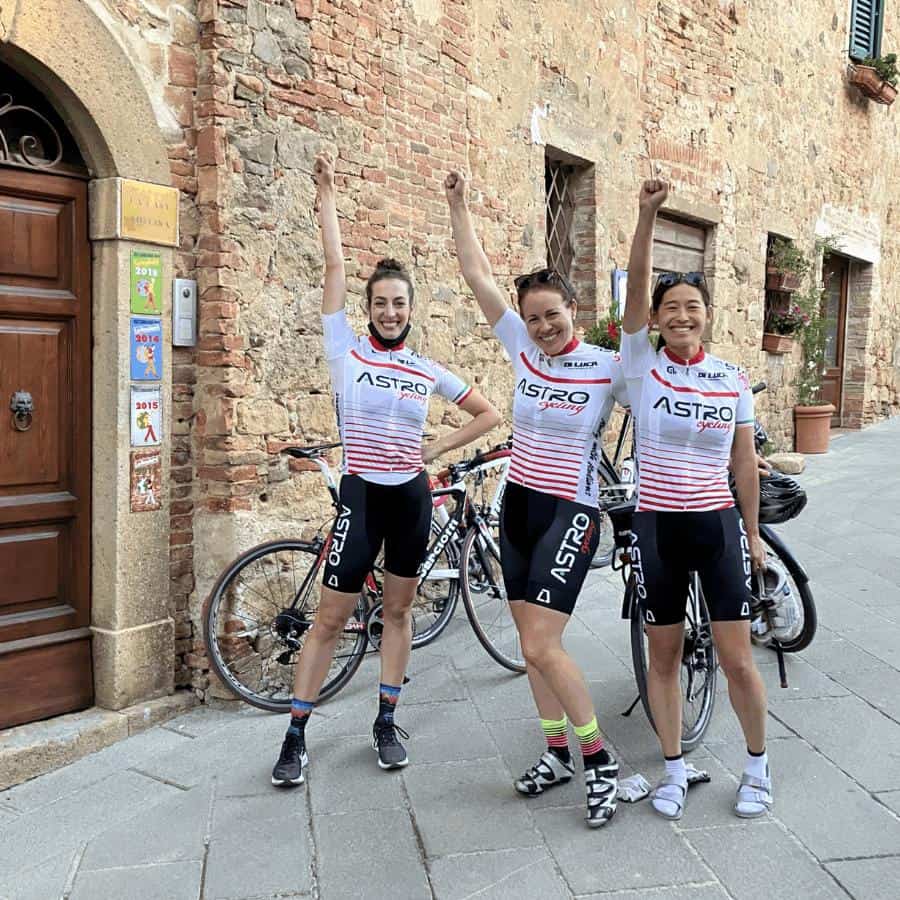
Europe has many beautiful places for cycling trips. What makes Italy special?
Why Cycle in Italy?
- Diverse regions with varying difficulty
- Deep cycling culture
- Well-maintained, low traffic rural roads
- Fantastic food & wine
- Lots for non-cyclists to see and do
- Mild climate and long season
- Stunning scenery
You might be sold on Italy and ready to pick a region for your cycling trip. Or just starting to dream of an Italy vacation and curious about cycling?
This guide is for anyone curious about seeing Italy by bike, from cycling enthusiasts to beginners. Plus info for non-cyclist companions.
It includes an overview of each of the highly recommended regions and answers why and when you might pick Umbria over Sicily, or the Dolomites over Tuscany. Not that you could ever go wrong with Tuscany; it’s Italy’s most popular choice for a reason. Frequently asked questions are also answered, further down.
I’ve traveled quite extensively in Italy, but called in a pro to assist me with his cycling expertise. And literally, he’s a pro. Fabrizio Giacomelli began cycling at age 11 on the roads near his home in Tuscany. Eventually racing at a high level, he competed in the Giro d’Italia, and became a Tuscan Under‑23 Road Champion.
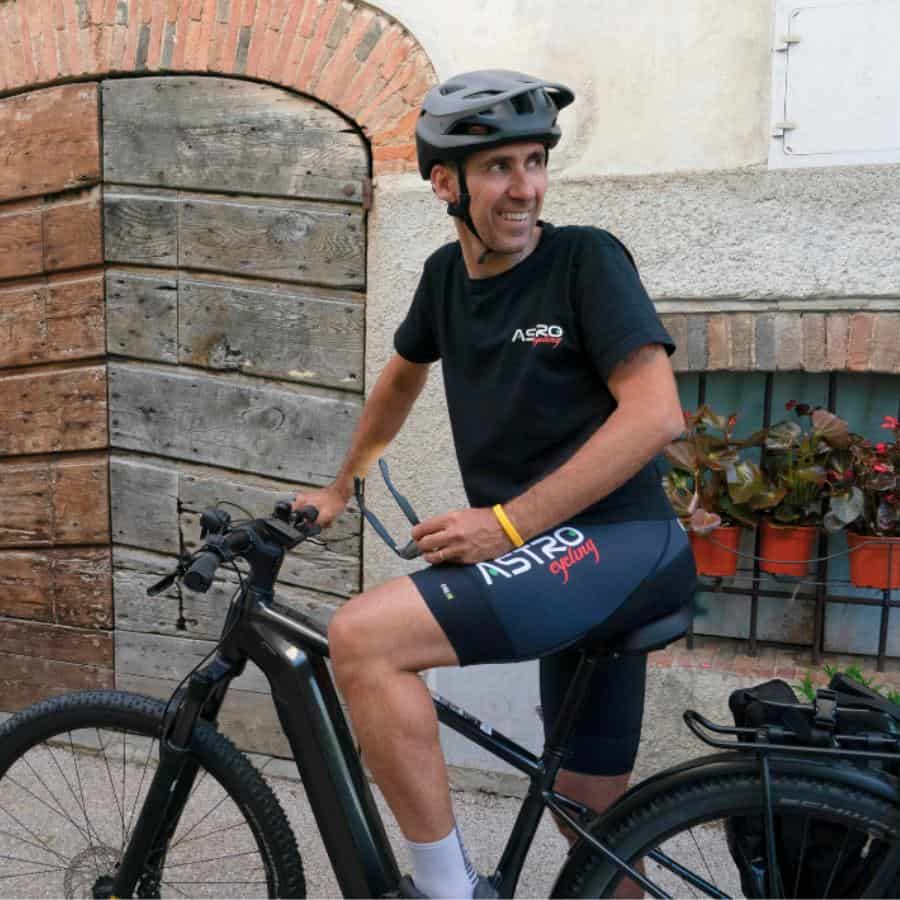
Following his racing career, he began guiding cycling trips, escorting guests through Italy’s landscapes, culture, and gastronomy. He is a certified guide as well as sommelier. His company AstroCycling Tours is built on a simple idea: that guests experience Italy with the people who live it — Italy with Italians.
Fabrizio's Tips for Planning a Cycling Trip in Italy
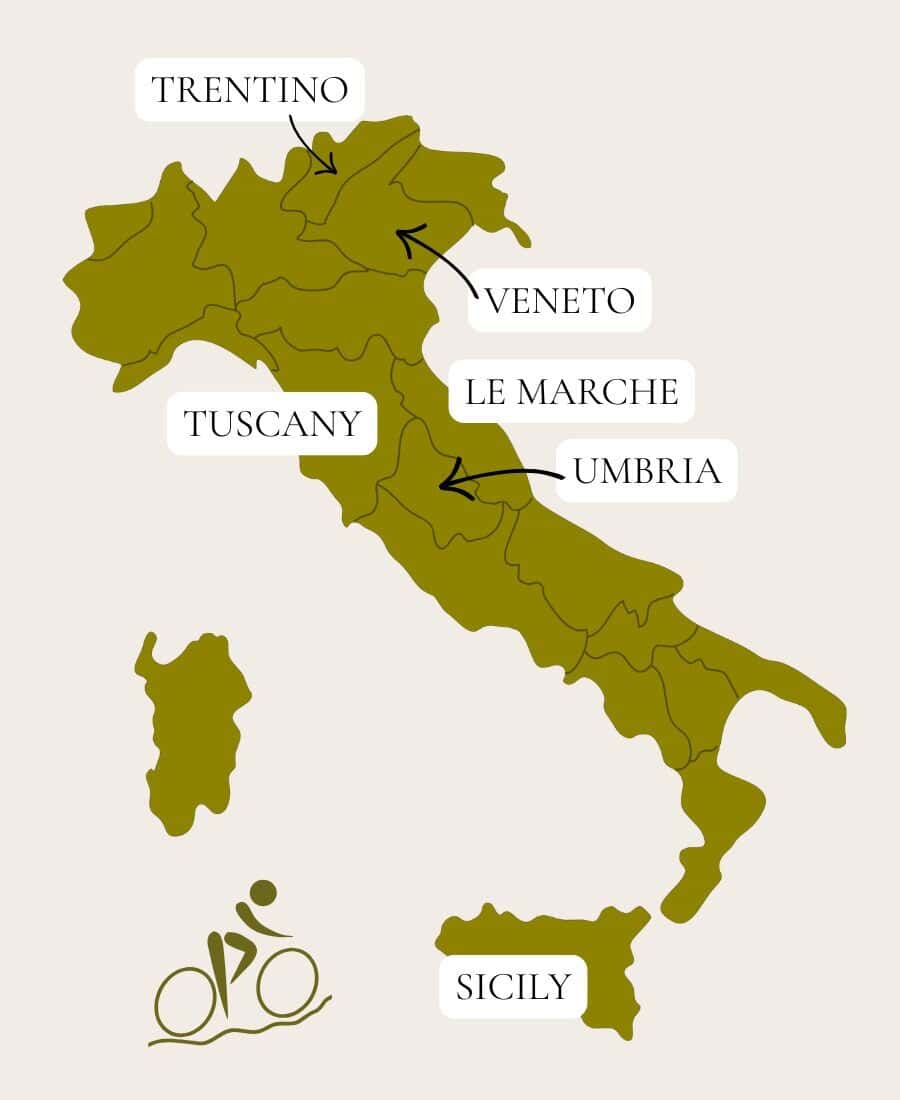
- Choose a region that matches your cycling style — Italy offers everything from gentle rolling hills to legendary alpine climbs. He favorites are the Dolomites-Prosecco, Tuscany, Umbria, Le Marche and Sicily. (More on each of these regions below.)
- Travel in the shoulder seasons (spring and fall) for ideal weather, quieter roads, and the best riding conditions.
- Stay in boutique hotels, agriturismi, or locally owned properties to experience authentic Italian hospitality.
- Build in time for culture, food, wine, and rest — the magic of Italy is found both on and off the bike.
- Consider working with local experts such as AstroCycling to assist in planning your trip.
Planning Your Cycling Trip in Italy
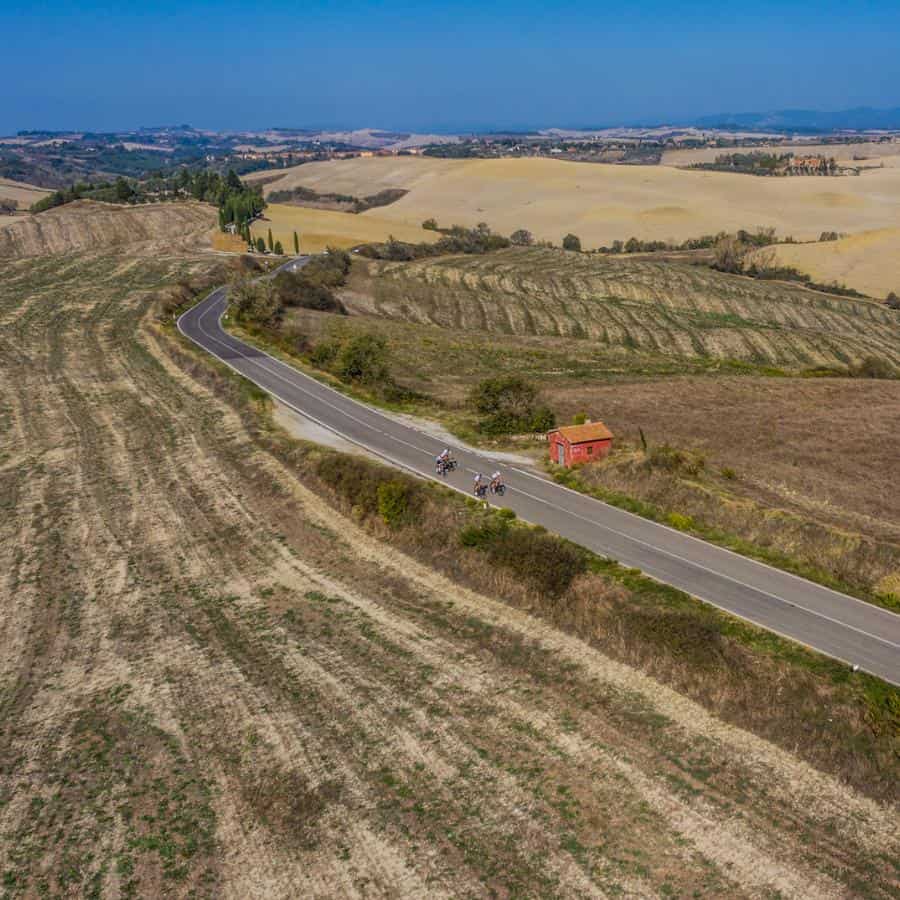
Every AstroCycling tour is customized to the group’s cycling level, interests and desired pace. Those are the key considerations for anyone planning a cycling trip to Italy. To start planning your own trip, consider these questions:
- when do you plan to go; the season will help you narrow down a region
- what’s the experience level of the riders in your group
- what are the group’s interest beyond cycling (history, cooking, wine, shopping etc.)
- what pace do you wish to explore at — how many hours each day do you want to spend on a bike
- are you comfortable doing a self-guided trip or should you hire a local guide. (I have found that local guides do so much more than lead you around. They offer an enriched experience of every aspect of the place you are visiting.)
When to take an Italy Cycling Trip
The cycling season in Italy broadly extends between March and November, depending on the region. The further south, the later and earlier the season. So in Sicily, trips can be taken as early as March and as late in November.
Summer months are oppressively hot in much of Italy so July and August are best avoided. The exception is the mountainous region of the Dolomites where higher altitudes keep temps cooler. It’s a good choice from June through September.
The central regions of Tuscany, Umbria and Le Marche are best in spring and fall. For spring travel, Tuscany is pleasant beginning in mid-March, Umbria beginning in April and Le Marche beginning in May.
italy's cycling regions compared
Fabri, as his friends and guests call him, has provided a detailed comparison of each of his recommended cycling regions.
I asked him to share:
- what makes each region special
- types of travelers each region is best suited to
- when to go
- highlights & attractions not to miss
- wines to try
Cycling Tuscany
The Iconic Heartland
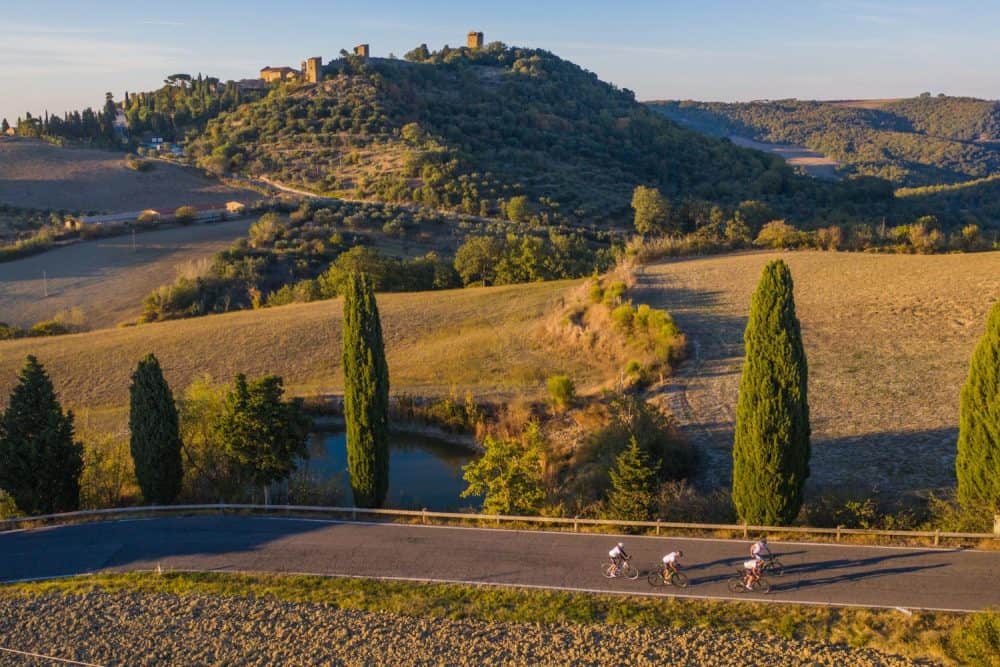
- What makes this region special: Tuscany is everything people imagine Italy to be: Renaissance cities, medieval villages, rolling hills, vineyards, and olive groves. The Val d’Orcia (a UNESCO heritage site) offers iconic scenery. Chianti Classico is the beating heart of wine culture, and the Etruscan Coast blends sea and history with world‑class “Super Tuscan” wines like Sassicaia and Ornellaia.
- Lucca & the Lucchesi Hills (Fabrizio’s home): This is one of Tuscany’s most authentic and quietly beautiful areas. The roads around Lucca are a cyclist’s paradise: gentle climbs, historic vineyards, and small hilltop villages where time slows down. Lucca itself is a Renaissance jewel, encircled by perfectly preserved walls that form one of Italy’s most charming cycling loops. Riding atop the walls reveals medieval towers and hidden gardens. Inside, the city is a maze of elegant squares and trattorias serving traditional Lucchese cuisine. The Colline Lucchesi DOC completes the experience with ancient villas and a winemaking tradition that stretches back centuries.
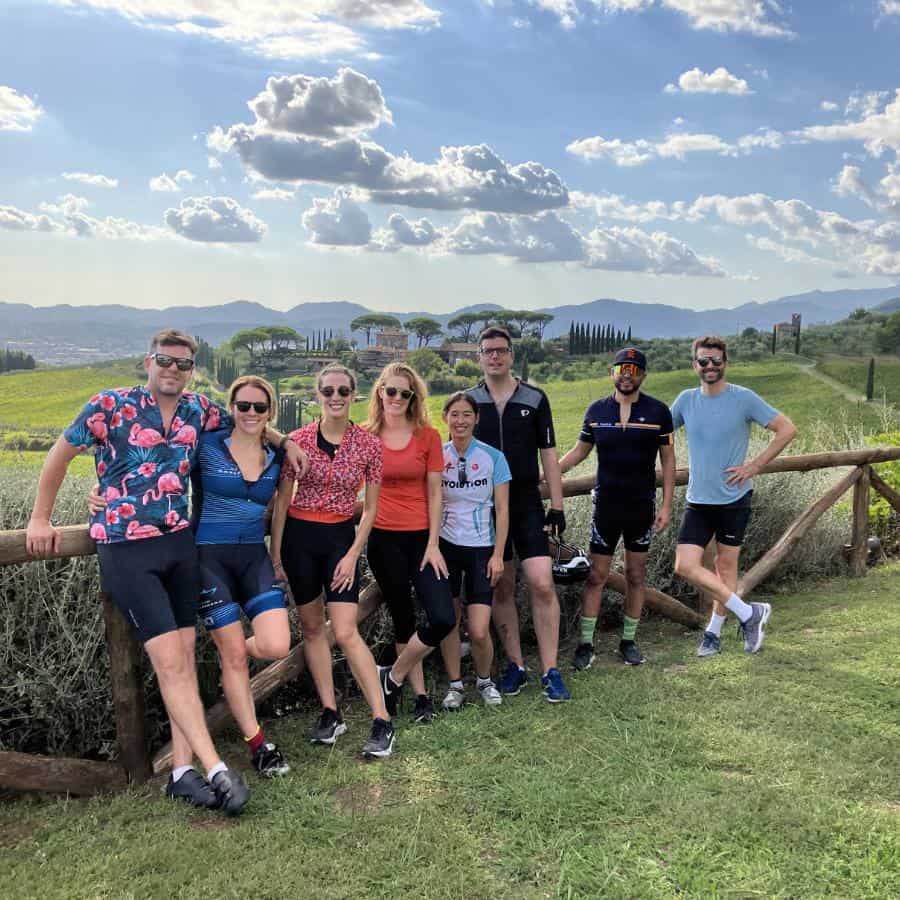
- Who is this trip ideal for: Everyone! Ambitious cyclists, beginners, wine lovers, photographers, couples, families, and non‑riders (who can enjoy world-class shopping and private art tours).
- When to go: March–June and September–October. Avoid July/August (too hot).
- Wines to try: Chianti Classico, Brunello di Montalcino, Nobile di Montepulciano, Bolgheri, Vernaccia, Colline Lucchesi DOC.
- Don’t miss: Pienza, Montalcino, Siena, Crete Senesi, San Gimignano, Lucca, Lucchesi Hills.
Cycling umbria
The Green Heart

The green heart of Italy offers much that Tuscany does but with fewer crowds and a more lush landscape. I (Susan) spent a week there with my family and think it would be a marvelous place to cycle. Here’s what Fabri says:
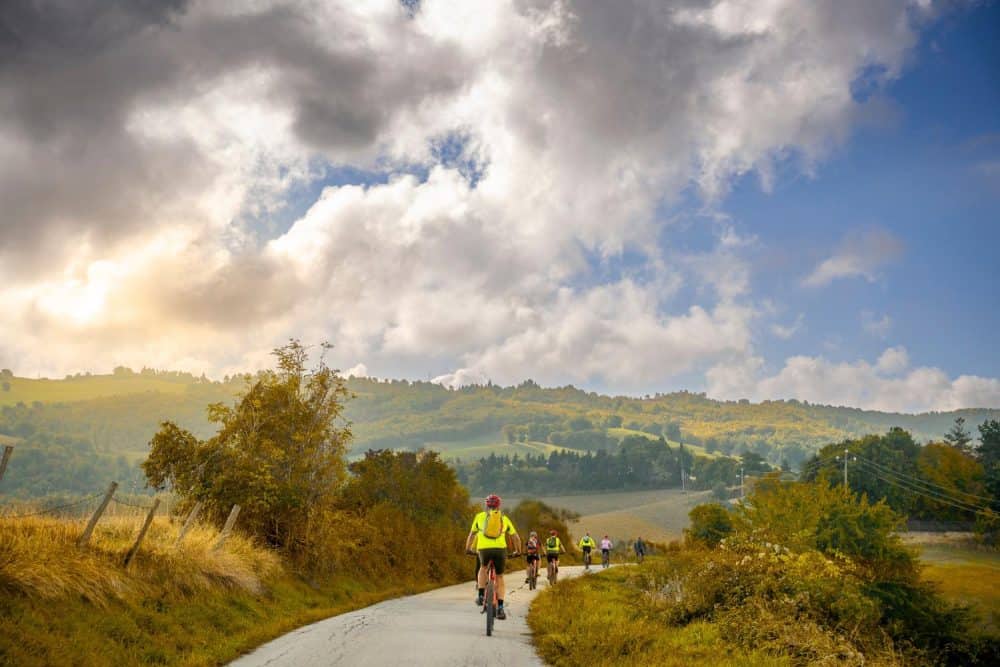
- What makes this region special: Umbria is authentic, spiritual, and quietly beautiful. Hilltop towns like Orvieto, Assisi, and Montefalco tell stories from Etruscan to Renaissance eras. The cuisine is earthy: black truffles, handmade pasta, and olive oil considered “liquid gold.” The roads are ideal for cycling through dense olive groves and soft rolling hills, offering a more rugged feel than Tuscany.
- Who is this region ideal for: Cyclists who love quiet roads, food lovers, spiritual travelers, and non‑riders (perfect for ceramic workshops and medieval history).
- When to go: April–June and September–October.

- Wines to try: Sagrantino di Montefalco (one of Italy’s most tannic and powerful reds), Sagrantino Passito, Montefalco Rosso, Orvieto Classico.
- Don’t miss: Orvieto’s Cathedral, Civita di Bagnoregio, Assisi, Spello, Trevi, and the pristine Lake Bolsena.
Cycling le marche
The Untouched Frontier
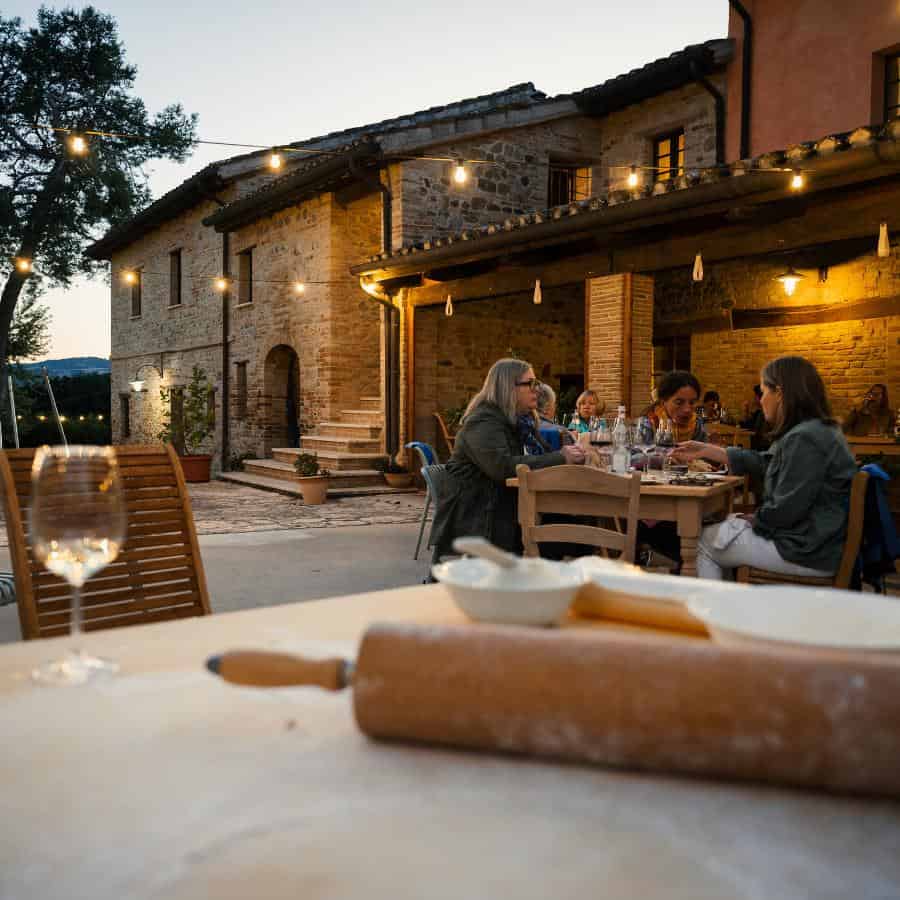
- What makes this region special: One of Italy’s most surprising regions: sea, mountains, and Renaissance towns. Urbino (UNESCO) is the birthplace of Raphael. From the coastal cliffs of San Bartolo Park to the Frasassi Caves, it creates a mosaic of culture and nature. It’s where the mountains meet the Adriatic, providing diverse terrain for every rider.
- Who is this region ideal for: Ambitious cyclists, gravel lovers, and non‑riders interested in artisanal crafts (like the Fabriano Paper Museum).
- When to go: May–June and September–October.
- Wines to try: Verdicchio di Matelica, Verdicchio dei Castelli di Jesi, Pecorino, Rosso Piceno.
- Don’t miss: Urbino, San Bartolo Park, Grad
Cycling NORTHERN ITALY
Veneto & Trentino
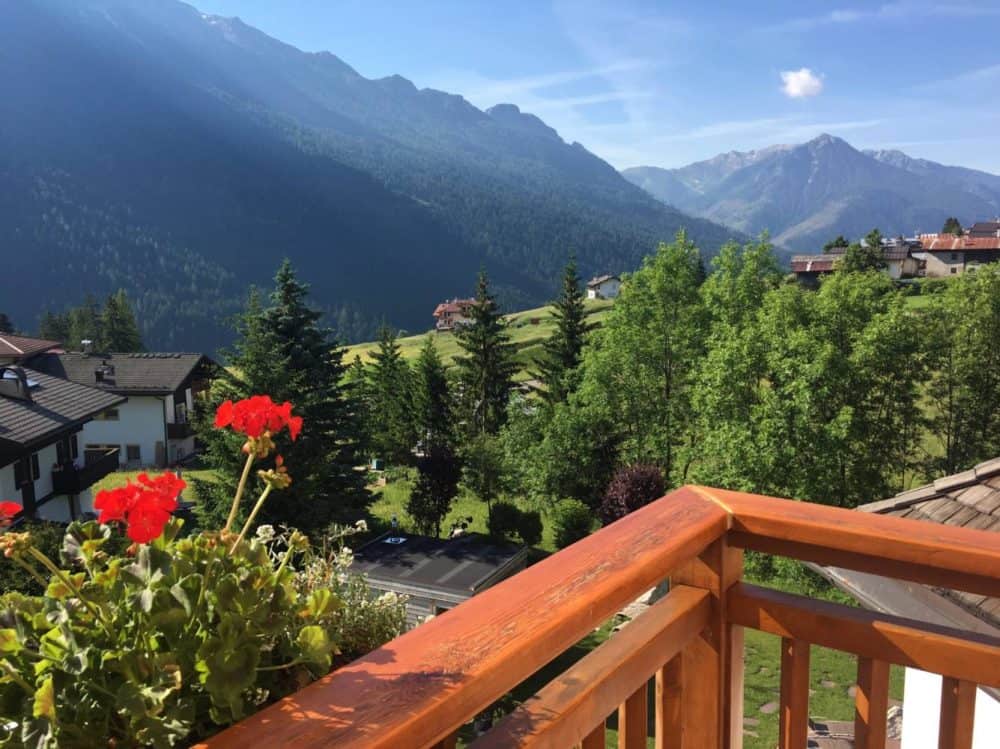
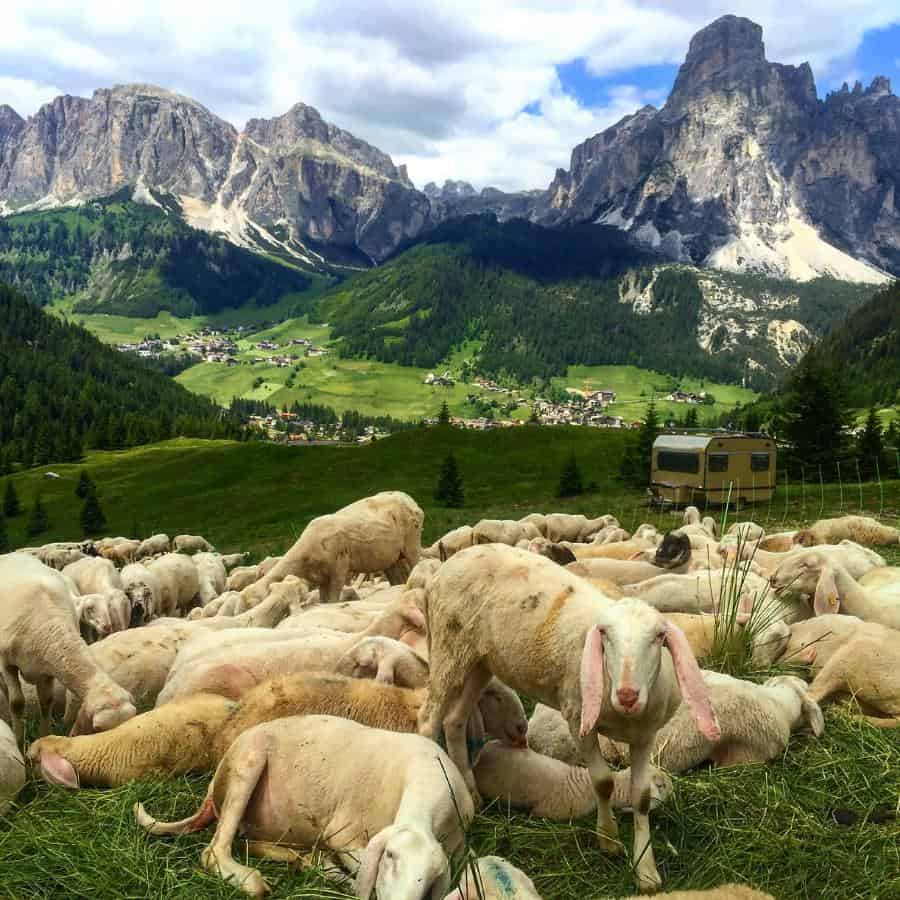
- What makes this region special: A mosaic of extraordinary landscapes: Lake Garda, Verona, the Dolomites, and the Prosecco Hills. From legendary Alpine climbs to the terraced vineyards of Valdobbiadene, it blends Italian elegance with dramatic nature.
- Who is this trip ideal for: Ambitious climbers, e‑bike riders, and non‑riders who appreciate luxury spas and high-end shopping in Verona.
- When to go: June–September (Dolomites); April–October (Garda/Prosecco).
- Wines to try: Amarone, Valpolicella, Prosecco Superiore di Cartizze, mountain sparkling wines (Trentodoc).
- Don’t miss: The Sella Ronda loop, Marmolada, the “Muro di Ca’ del Poggio” in the Prosecco hills, and Asolo.
Cycling Sicily
Island of Myths
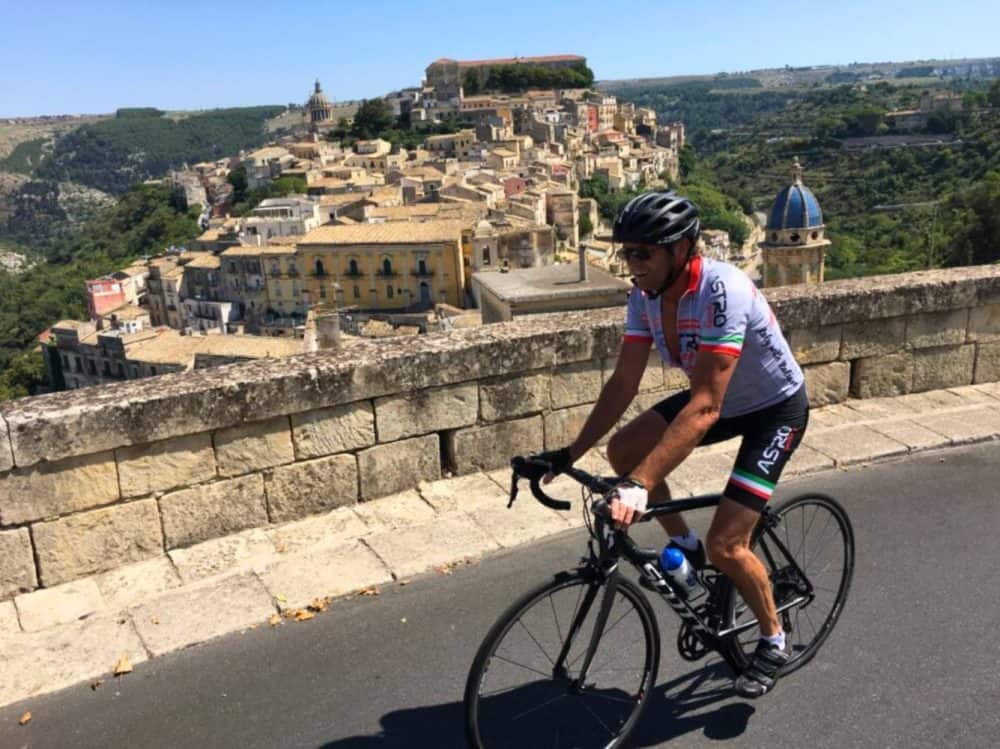
- What makes this region special: A crossroads of Greek, Arab, and Norman cultures. The Val di Noto (UNESCO) is a Baroque masterpiece (Noto, Ragusa, Modica). Landscapes are varied and dramatic: high plateaus, citrus groves, and luminous coastlines. The cuisine is a sensory journey: fresh seafood, cannoli, and volcanic wines grown on the slopes of Etna.
- Who is this region ideal for: Experienced cyclists, adventurous riders, and non‑riders who love vibrant markets and ancient ruins.
- When to go: March–June and September–November.
- Wines to try: Nero d’Avola, Cerasuolo di Vittoria, Frappato, Etna Rosso, Etna Bianco.
- Don’t miss: Noto, Ragusa Ibla, the ancient theater of Siracusa, and the Aeolian Islands for a volcanic detour.
Italy Cycling FAQs
Is Italy ok for beginner cyclists?
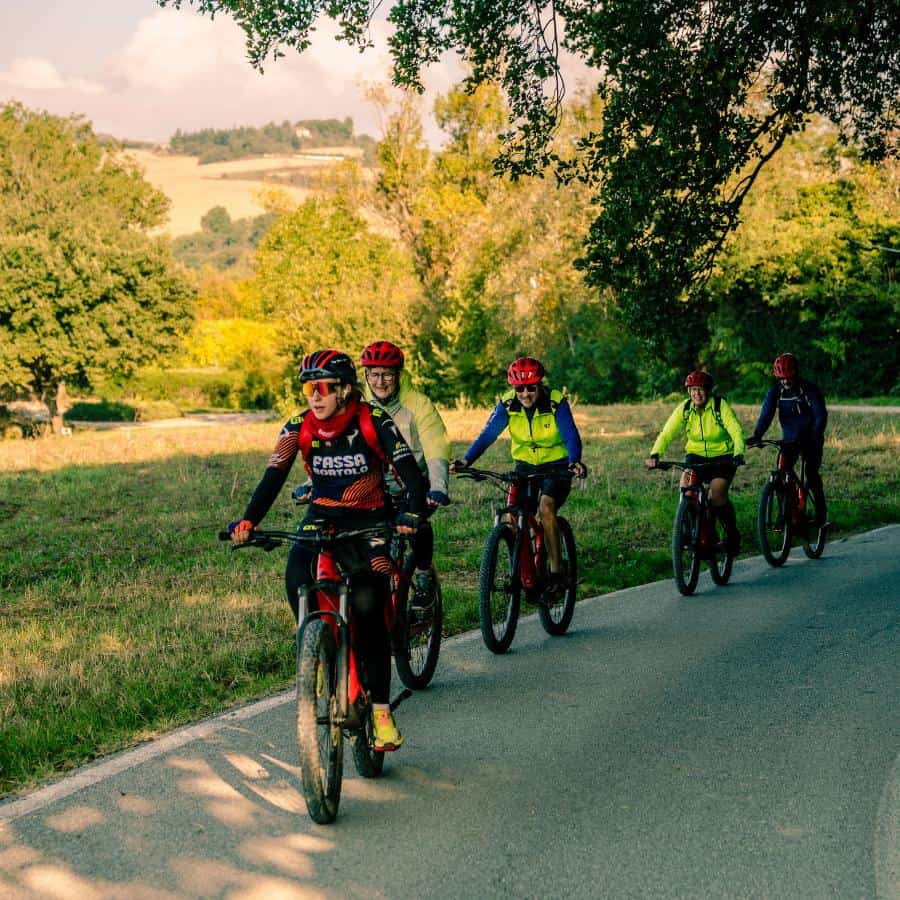
Yes. With an e‑bike, even riders with limited experience can comfortably enjoy Italy’s rolling hills. Many regions offer quiet secondary roads and gentle climbs that are ideal for beginners.
How far ahead to plan a trip?
Six months is ideal. For the most popular months — May, September, and October — it’s best to book 9–12 months ahead because accommodations fill quickly.
How do I handle luggage between destinations on a multi-day trip?
Many tour operators offer luggage transfer services, moving your bags between hotels while you ride. If you're self-guided, you can also use a local courier service. Packing light in a single bag makes this much easier.
Are Italian roads safe for cyclists?
Yes. In many regions, drivers are very accustomed to sharing the road with cyclists, especially in areas known for bike tourism. Italy also has many quiet country roads with low traffic, making riding safe and enjoyable. Helmets are recommended for all cyclists and required by law for riders up to 16.
Is English widely spoken?
Yes. Hotels, restaurants, wineries, and services that work with international travelers generally speak English. In the main cycling regions, communication is rarely an issue.
How do I handle payments and tipping in Italy?
Credit cards are accepted almost everywhere. Tipping is not mandatory, but leaving something for good service is always appreciated.
Should I bring my own bike or rent one in Italy?
Both options work well. Bringing your own bike can be convenient if you prefer your personal setup, but Italy offers excellent rental options, including high‑quality road bikes, gravel bikes, and e‑bikes — often from top brands.
Who else is ready to plan a cycling trip in Italy? Each of these regions sounds incredible, although I definitely have to work up to the mountain climbs.
Since I have been to Tuscany and Umbria, I am dreaming of cycling in La Marche (definitely on an e-bike). Or if it’s early spring or later fall, perhaps Sicily. I will write more about a future cycling trip to Italy and will link it here, so do check back.
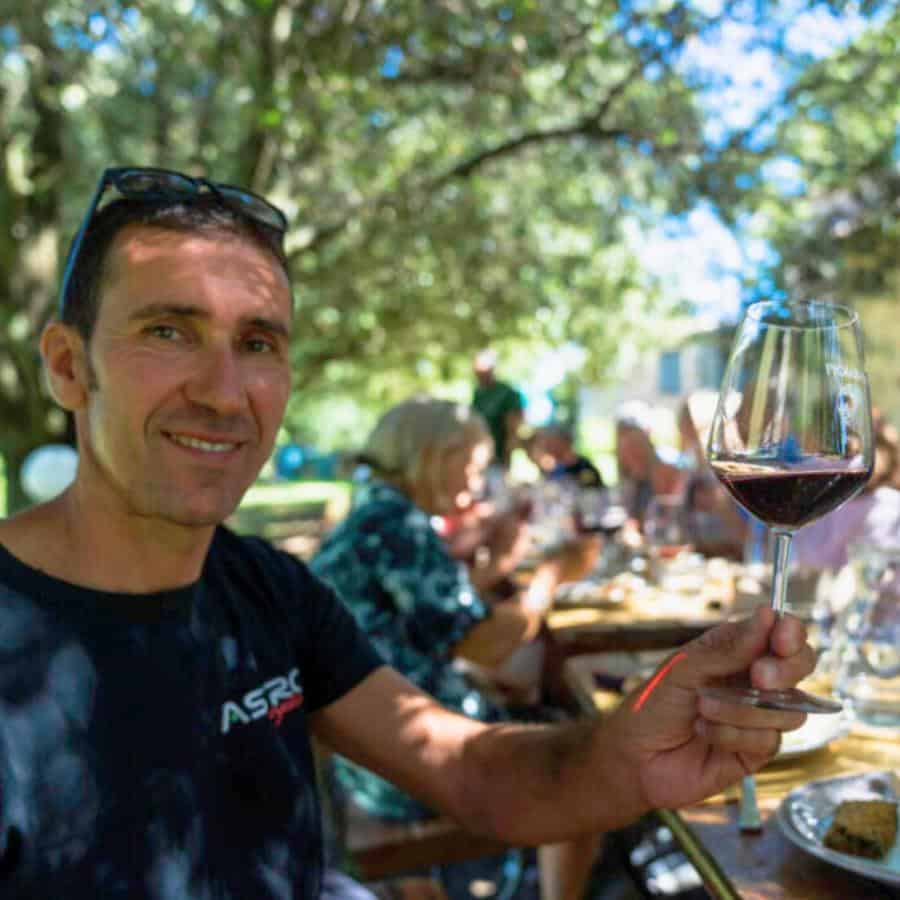
Grazie mille (huge thanks) to Fabrizio Giacomelli for lending his expertise to this article.
AstroCycling can arrange everything from day trips cycling through Tuscany to multi-day excursions with every detail taken care of. They also organize tours for women-only, with women guides, and can accommodate couples where one person cycles and the other doesn’t. Note: their multi-day trips are typically luxury tours and priced accordingly.
And all of AstroCycling guides are local, not just to Italy but to the specific region guests are visiting. Those local experts offer a deeply authentic experience thanks to their connections and expertise in their regions.
Have you done a multi-day cycling trip? Please share in comments. And happy peddling!


2 Responses
This is great content and of course Italy is the perfect backdrop for photos and of course living.
I’ve cycled with Fabrizio at Astro Cycling and broke bread over meals and he is an amazing individual. Our goal was to see Italy on a private bike tour with the best and we did! Maurice Watson, Indianapolis, IN
Hi Randy! Thanks so much for your comment. Love hearing about your Italy trip; it sounds marvelous. I can imagine that Fabrizio offers an exceptional Italy experience. Best, Susan